Wedding Photo Retouching: Get Your Evenings Back
Shooting a wedding is immediate. The memory of it — every exchanged glance, every unrepeatable moment — lives in the files you come home with. What happens after is slower, quieter, and for most photographers, far more time-consuming than anyone outside the industry expects.
For wedding photographers, even small shifts in tone, light, and color can begin to separate moments that were truly beautiful from ones that read flat on screen. That separation isn't always obvious. It builds gradually, across hundreds of images, across six hours of changing light.
That's where post-production either supports your work — or starts to slow it down.
It's Not the Photos, It's Something Else
Wedding photography isn't a series of individual frames. It's a full narrative — ceremony, portraits, candids, reception, details — and the gallery needs to read as one cohesive story from the first image to the last.
A client who opens their gallery shouldn't notice the edit. They should notice the feeling. The warmth of the light. The consistency of the tones. The sense that every image belongs to the same day, the same couple, the same memory.
That kind of consistency doesn't happen automatically. It's built in post — carefully, image by image, across the whole set.
Where the Process Slows Down
Light changes from venue to venue, from morning ceremony to golden hour portraits to dimly lit receptions. Those transitions take time to balance — and it's not just the volume that creates the bottleneck. It's the attention each image needs as part of a set rather than as a standalone shot.
Light changes. Locations shift. Timelines run over. Each section of the day arrives with a different set of challenges for the editor, and when you're working through 600 images after the fact, those challenges compound.
Over time, editing becomes less about refining images and more about managing variation — bringing everything back to a consistent baseline while still letting each frame breathe.
This is where a reliable workflow starts to matter.

Wedding Photo Retouching: Before and After
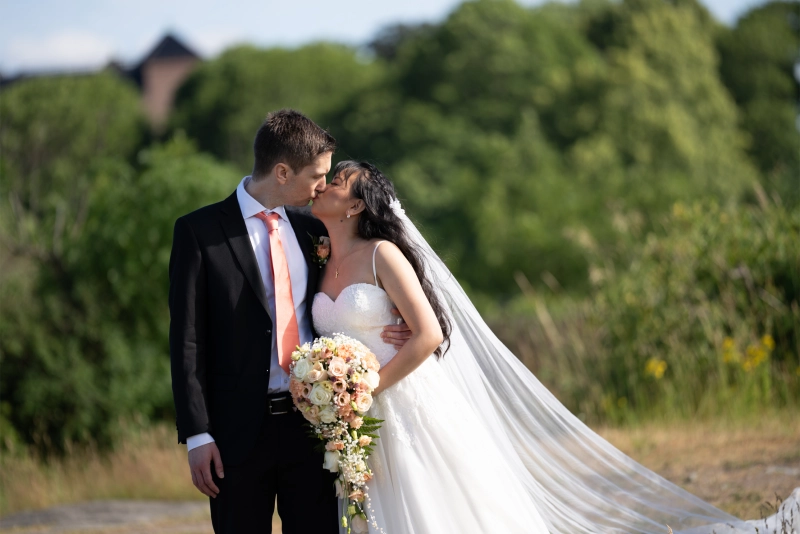
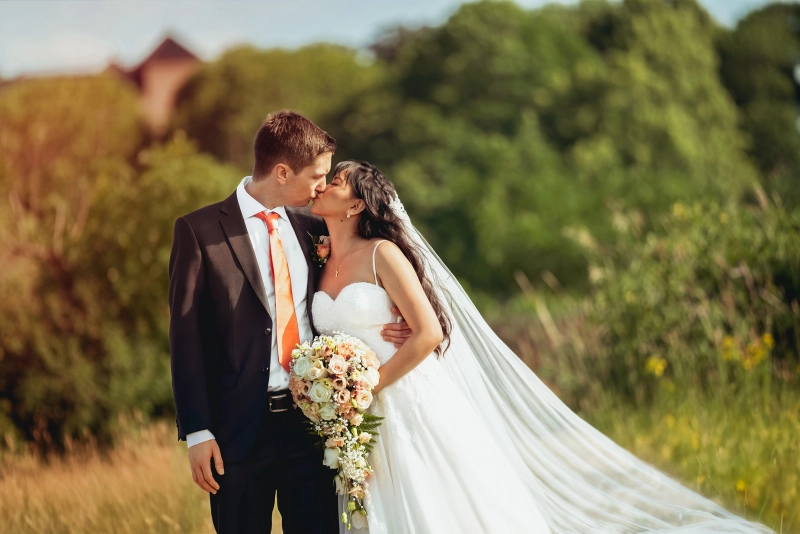
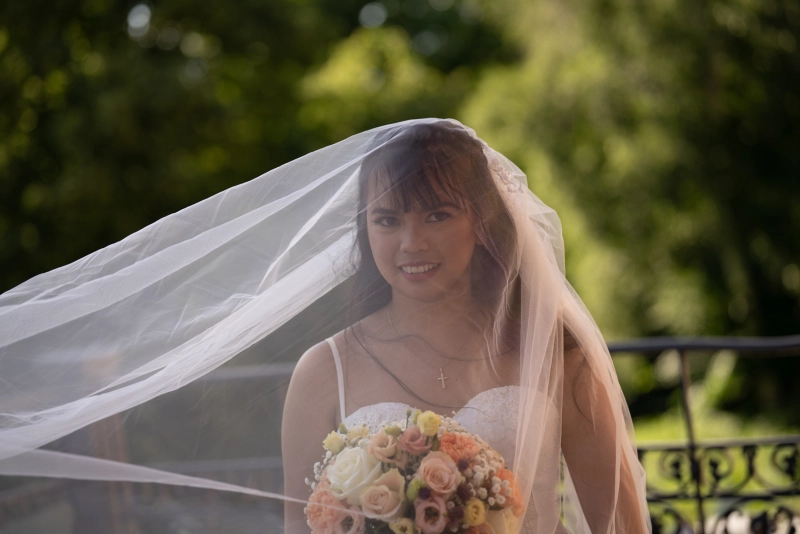
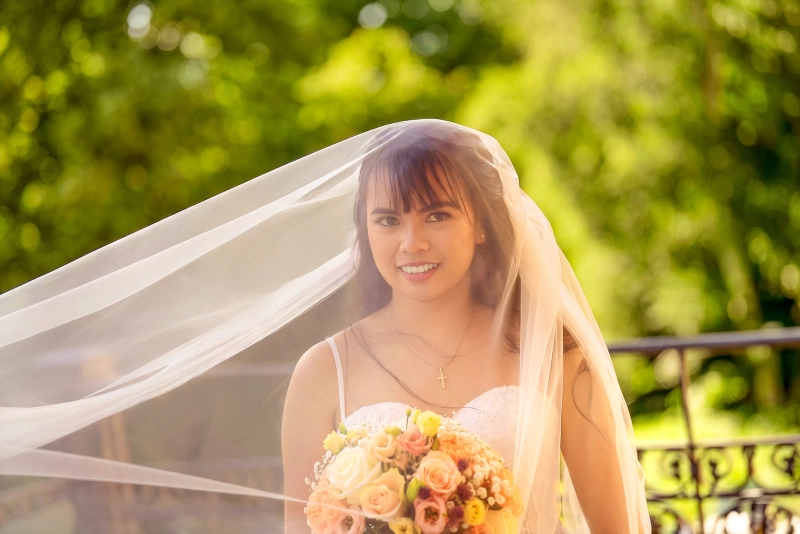
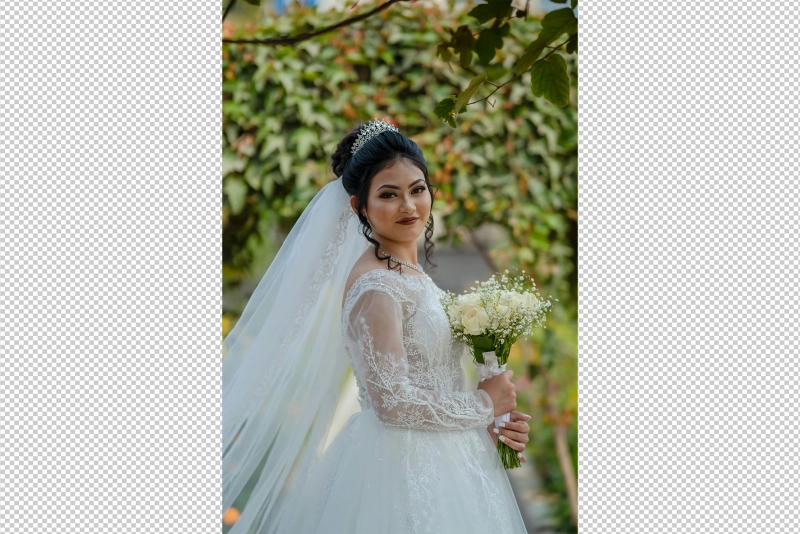
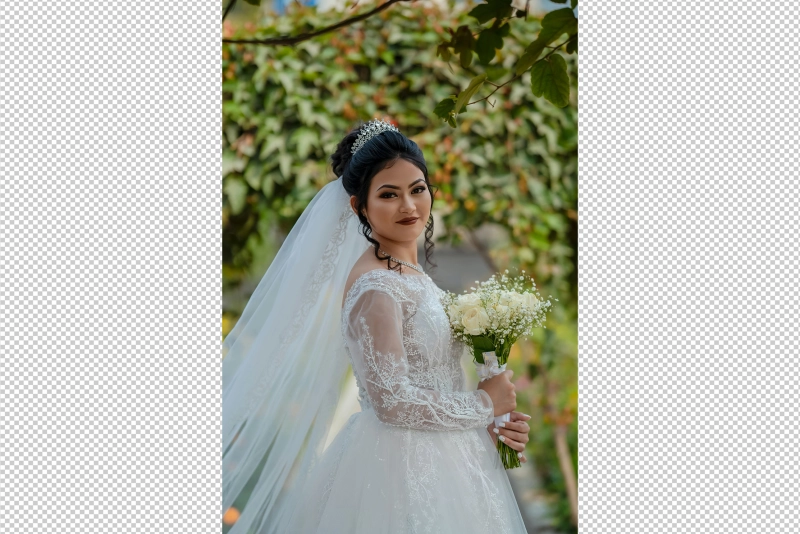
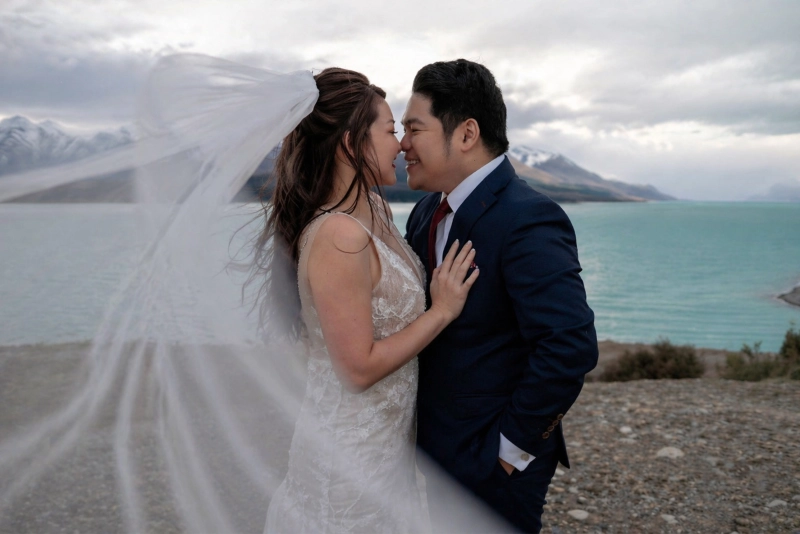
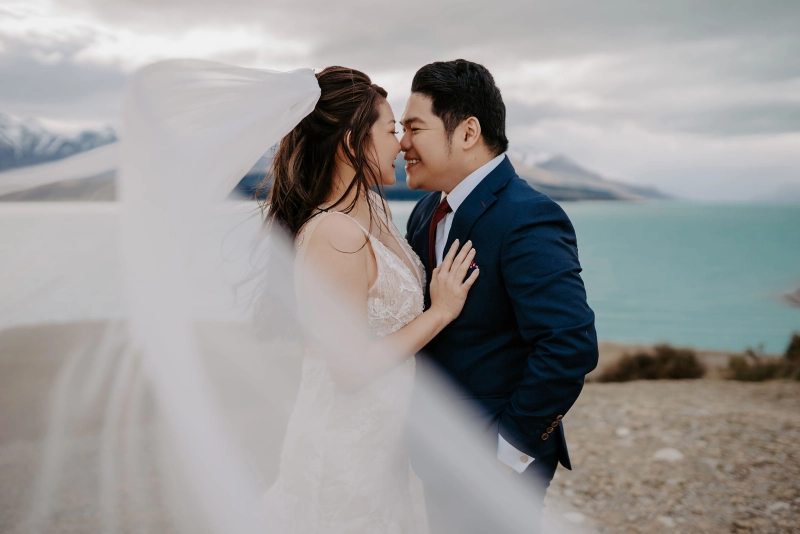
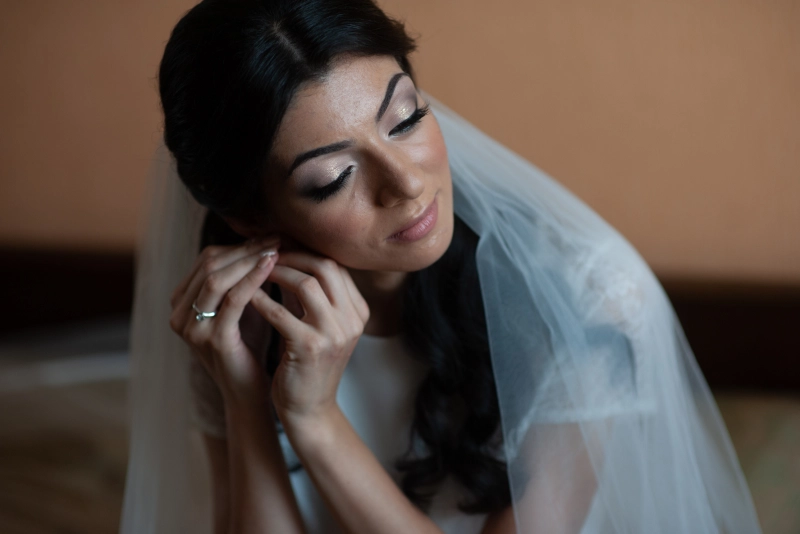
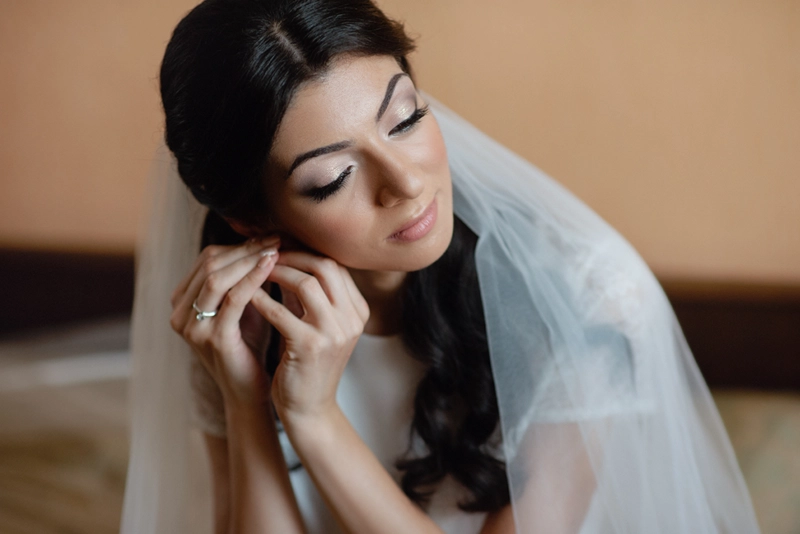
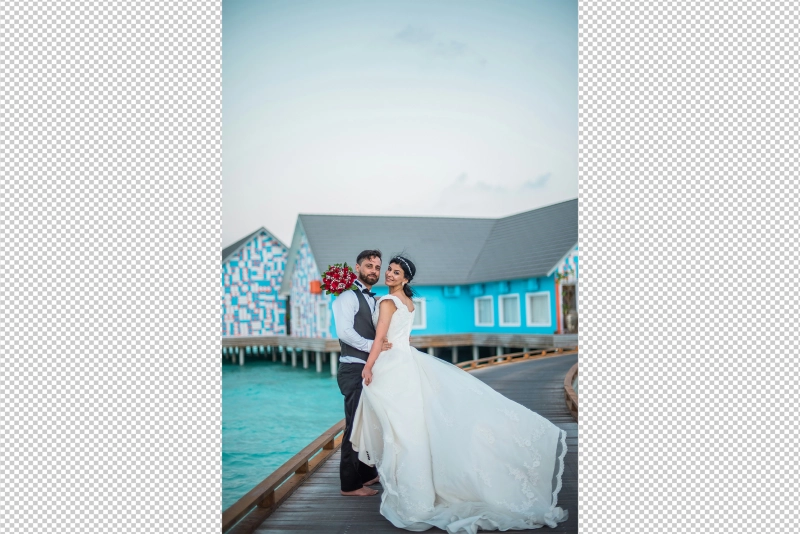
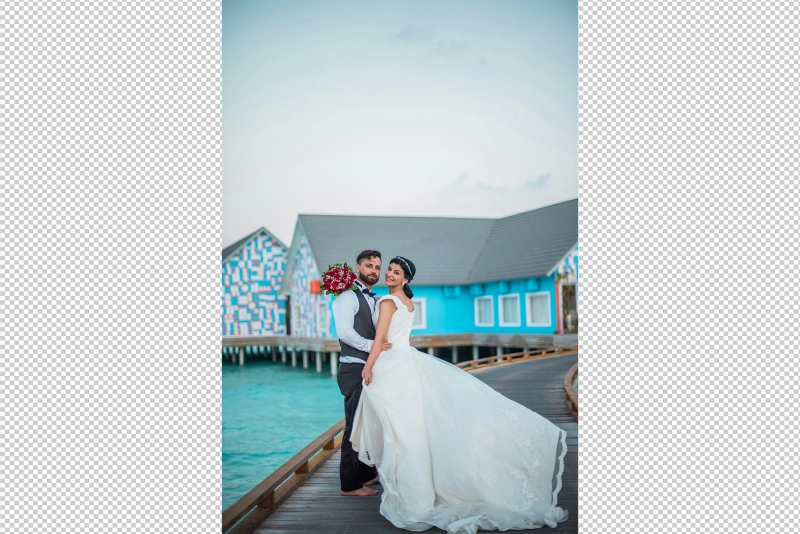
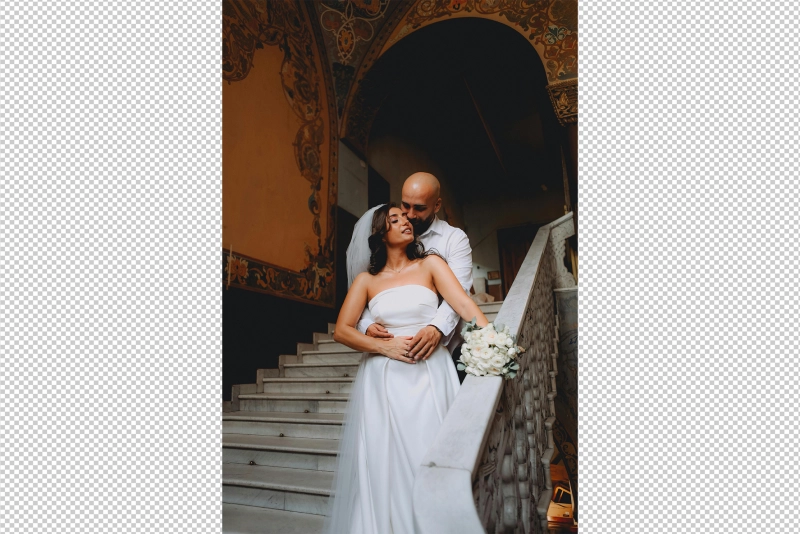
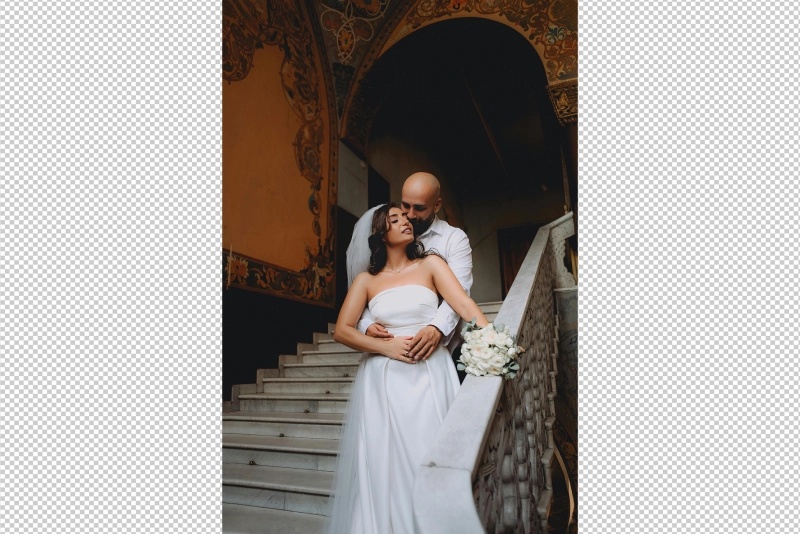
A strong wedding retouching before and after should never feel like two different days. It should feel like the same day, seen more clearly.
In natural wedding retouching, the changes are often refined rather than dramatic — more even skin tones, cleaner backgrounds, dress whites that hold detail rather than blow out, and a consistent warmth or coolness that holds from the first ceremony shot to the last reception image. The best transformations are subtle at first glance. Side by side, it becomes clear how many small distractions were quietly removed — and how much was deliberately left alone.
What Changes When Editing Becomes a System
When post-production is approached as a system rather than a series of individual decisions, the results shift.
Instead of reacting to each stage — ceremony, portraits, golden hour, reception — the process adapts to the scale and intent of the work. Tone and texture are established early, then carried consistently across the gallery. Each batch follows the same direction. Each edit is reversible and controlled.
The difference is not just in the final images. It's in how reliably you can move through the gallery without beginning again from nothing at every new lighting environment.
Seeing Your Work More Clearly
There's a specific challenge that comes from editing your own work: by the time you're deep into a gallery, you've already seen every frame too many times. The edit starts to feel finished before it is. Small inconsistencies stop registering. The fatigue is real, and it affects the result.
Handing a gallery to a dedicated retouching team means every image gets fresh eyes — eyes that are looking at the work as a client will see it, not as someone who was there for twelve hours shooting it.
What Outsourcing Wedding Photo Editing Actually Looks Like
This is where the decision to outsource wedding photo editing goes beyond saved hours. A structured retouching partner doesn't apply a preset and call it finished. They understand your style, adapt to the specific demands of each shoot, and return a gallery that still sounds like you — just cleaner, more consistent, and ready to deliver.
Your style is observed, documented, and carried forward. Preferences become part of the workflow itself. Each new gallery arrives with less briefing needed than the last, not more.
The result is not just a finished edit. It's a repeatable process.
Beyond Speed: Precision and Continuity
Wedding photography is inherently variable. Mixed lighting, changing environments, moments that cannot be repeated. Getting it right under those conditions requires technical accuracy — but so does the edit.
Within BeautyRetouching.net, every gallery moves through a structured retouching process. Light exposure is adjusted to reflect real world conditions. The goal goes beyond ticking technical boxes. Each batch is reviewed not only for technical accuracy but for how the gallery feels as a complete set.
Whether the session is shot in a bright, airy chapel or a dim candlelit reception, we carry the vision across the whole set without interruption.
When the Workflow Becomes Reliable
What photographers often ask is whether they can trust an external partner to deliver. The honest answer is: it depends entirely on whether they take it seriously.
Knowing that a gallery will return aligned with your expectations — color grading matched, skin tones consistent, delivery within the agreed timeline — changes how you plan your business. You know what you're handing off. You know what comes back.
A level of predictability changes the entire shape of the editing pipeline. Planning becomes easier. Communication becomes cleaner. The result is a gallery that meets client expectations every time — not most of the time.
Final Thought
At BeautyRetouching.net, we hear the same question from photographers at different points in their careers: how do I get from the first image to the last without losing the quality I started with?
The answer isn't just about technique. It's about outsourcing at the right moment — knowing what your work looks like from the first image to the last, knowing what consistent editing can do for your client relationships, and knowing where to start.
At the point where editing starts to feel like it's taking more than it's giving, that's usually when photographers start looking at what outsourcing actually makes possible. And once they see the difference, most don't go back to doing it alone.