The pretty privilege is real. We hand it to everyone.
At the heart of our boutique retouching studio is a simple idea: looking your best, in person or on screen, does something real. It lifts your mood, changes how you carry yourself, and gives you the confidence to go after what you want. That is what careful photo retouching is for.
If you think retouching always looks artificial, let us change your mind. There are several kinds — classic, high-end, and editorial are the main ones — and many aesthetics to work in, from cinematic and vintage to soft natural light, black and white, or bolder artistic effects. Done well, none of it announces itself. Classic beauty retouching in particular is built to look like nothing happened at all: just you, on a good day, in good light.
People who spend time in front of a camera tend to gravitate toward beauty retouching, because it treats a portrait as something worth making beautiful rather than merely correct.
At Beauty Retouching we start with the purpose of the photo, the age of the subject, and everything happening in the frame, then build the approach around it. No two briefs get the same treatment.
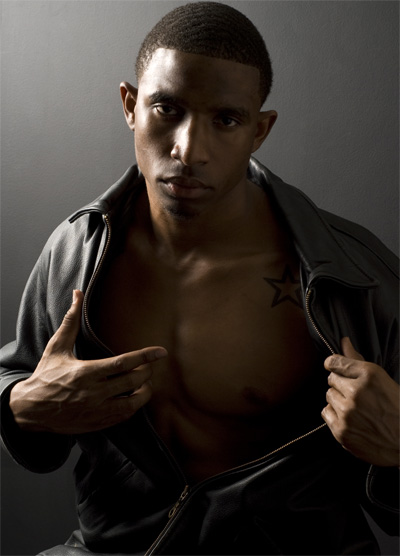










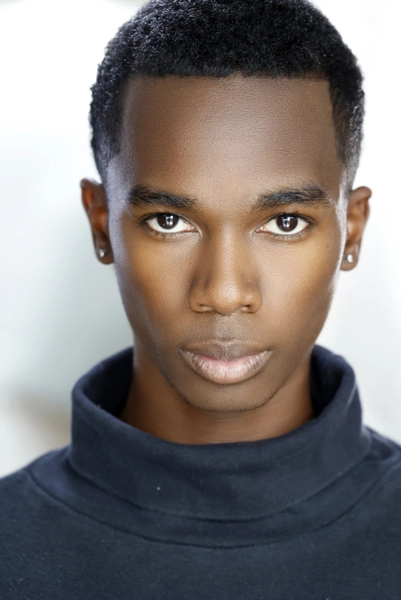
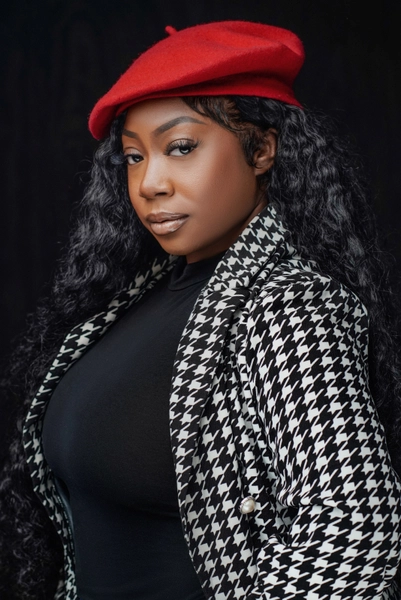
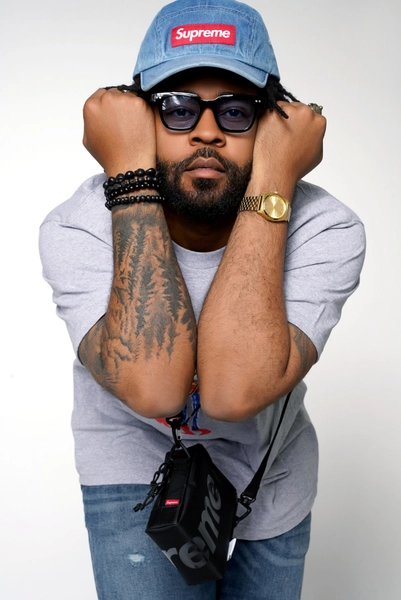
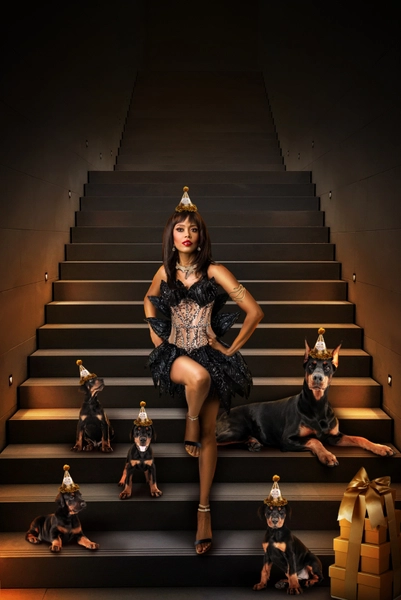
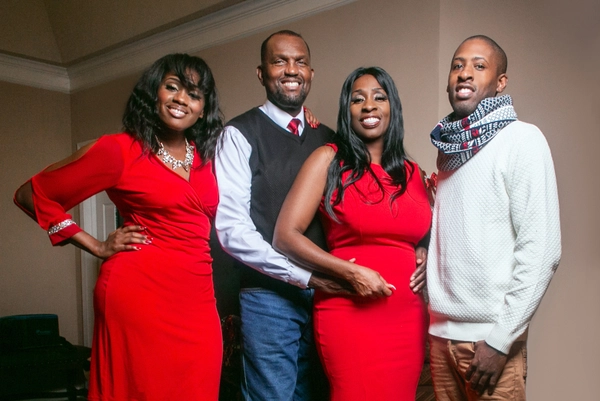
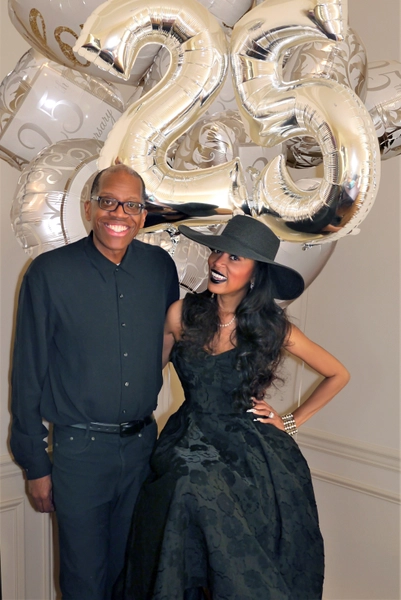
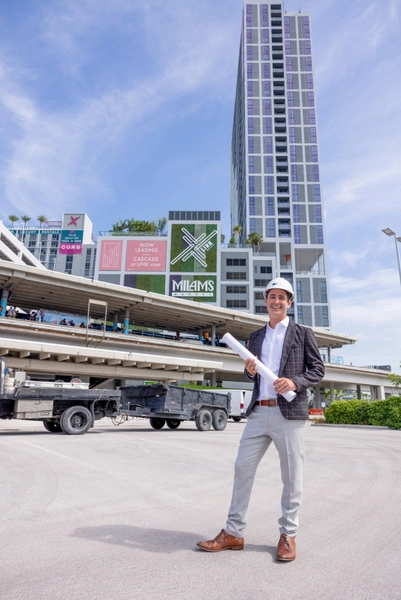

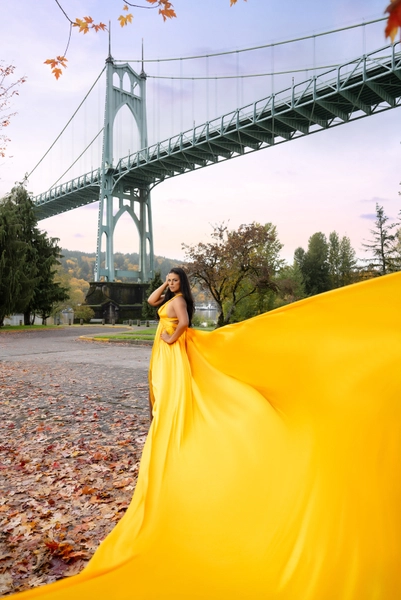
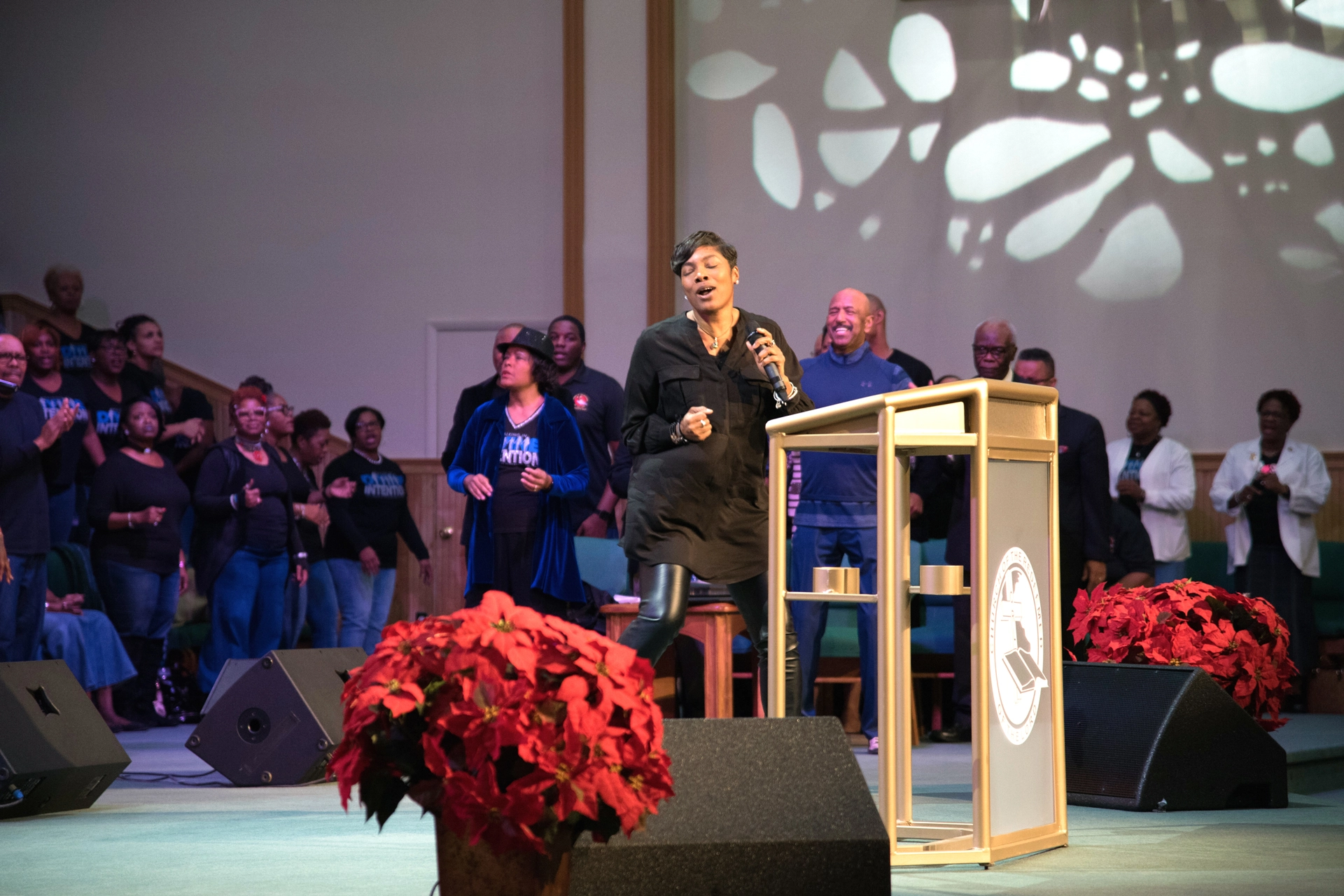
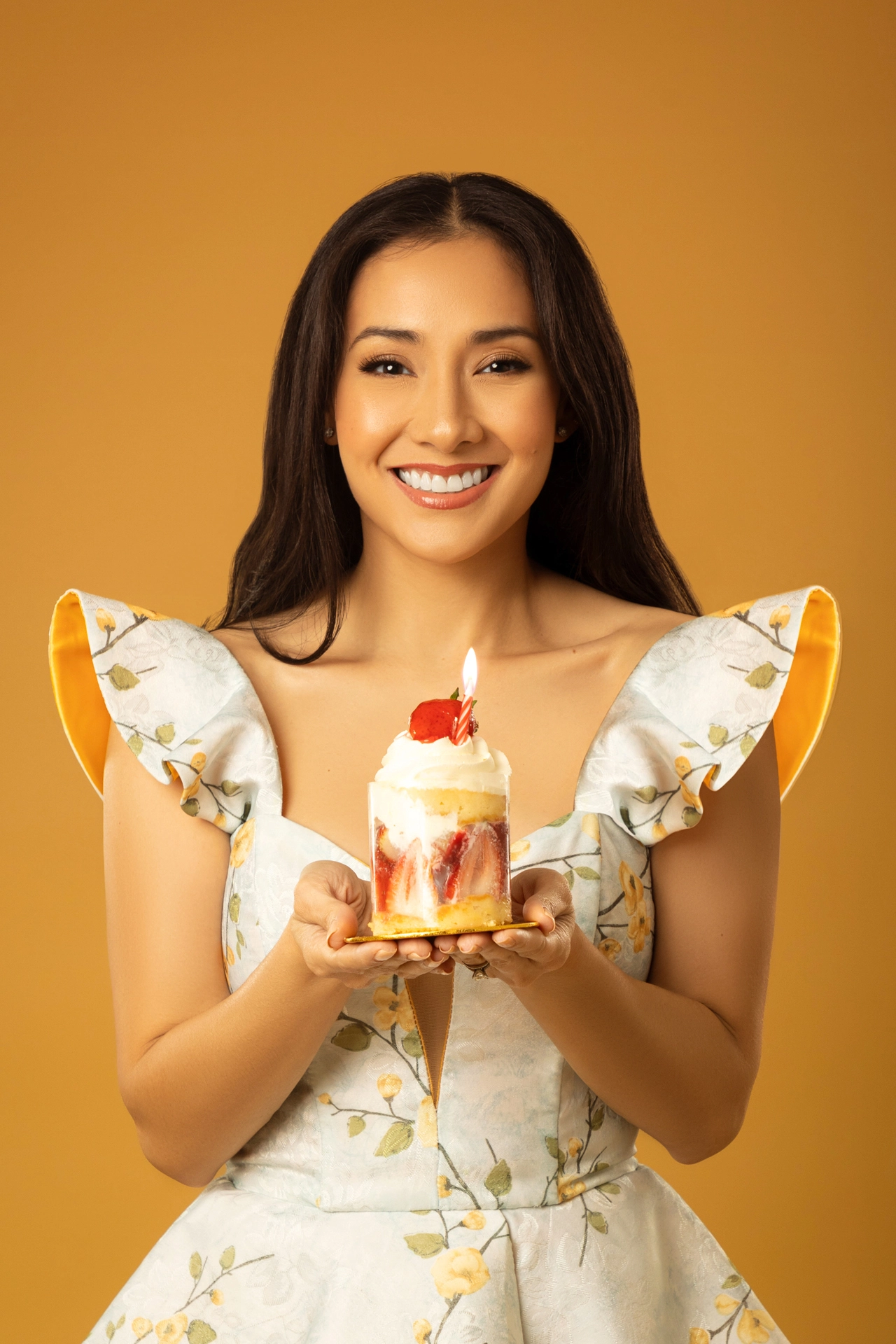
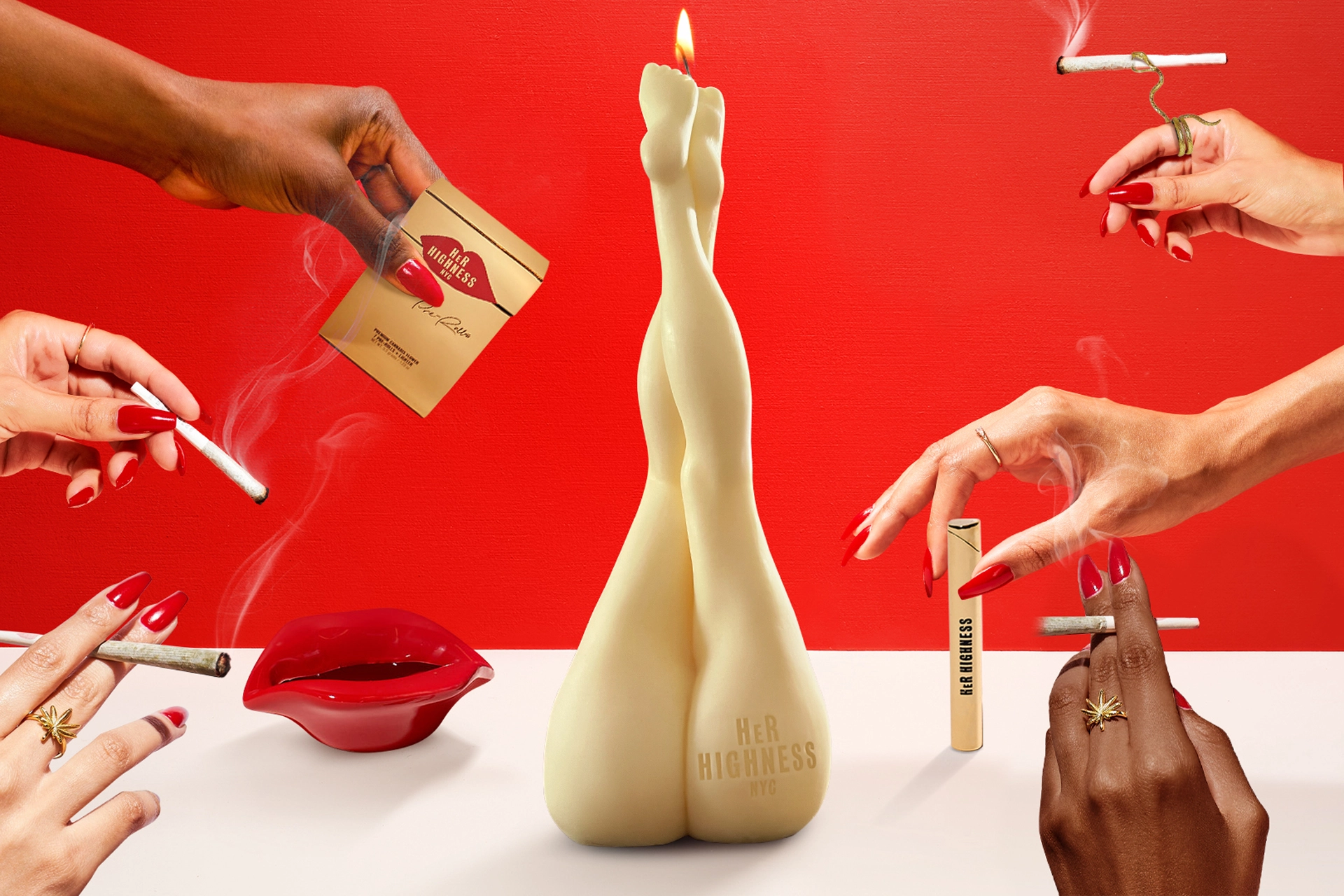
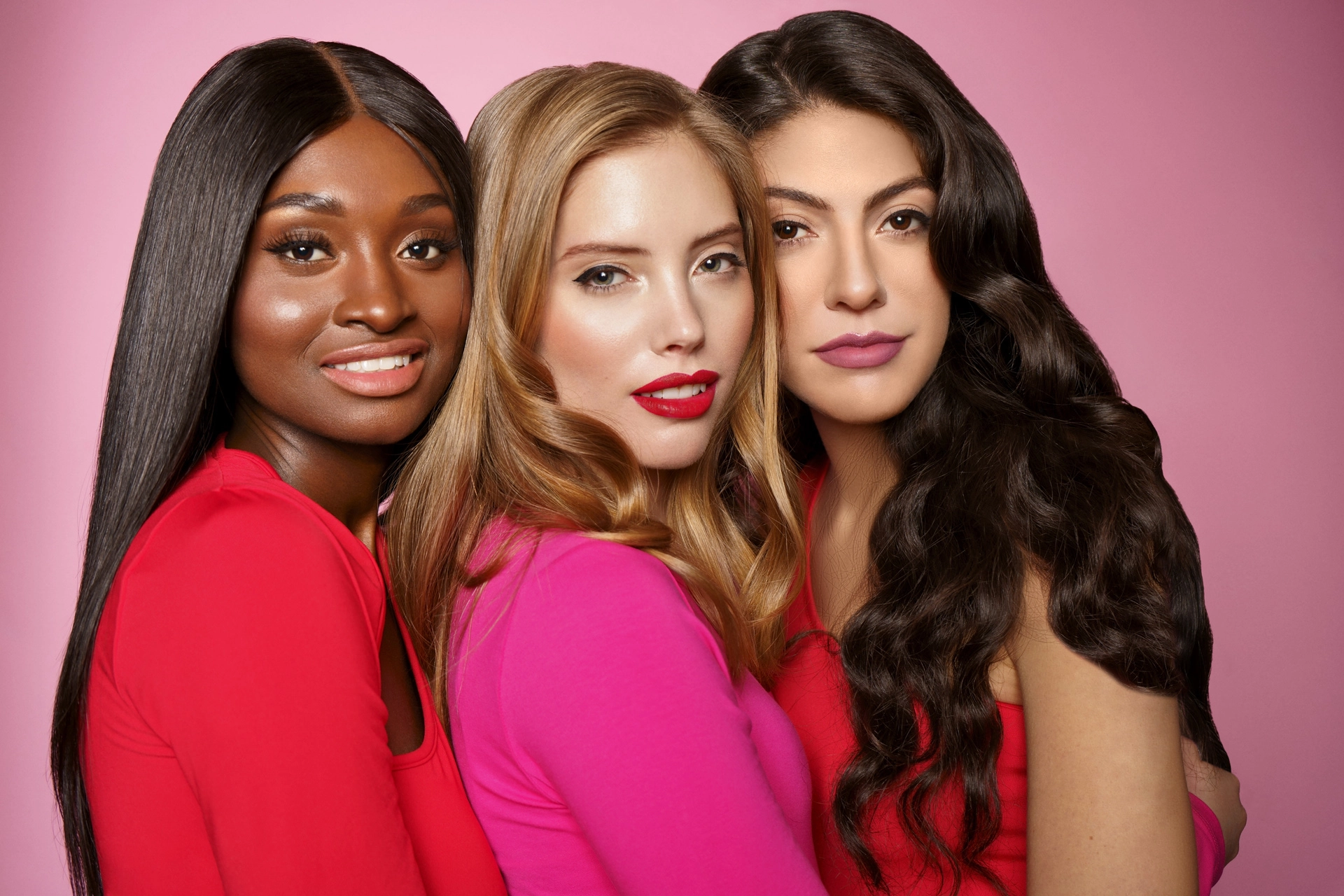
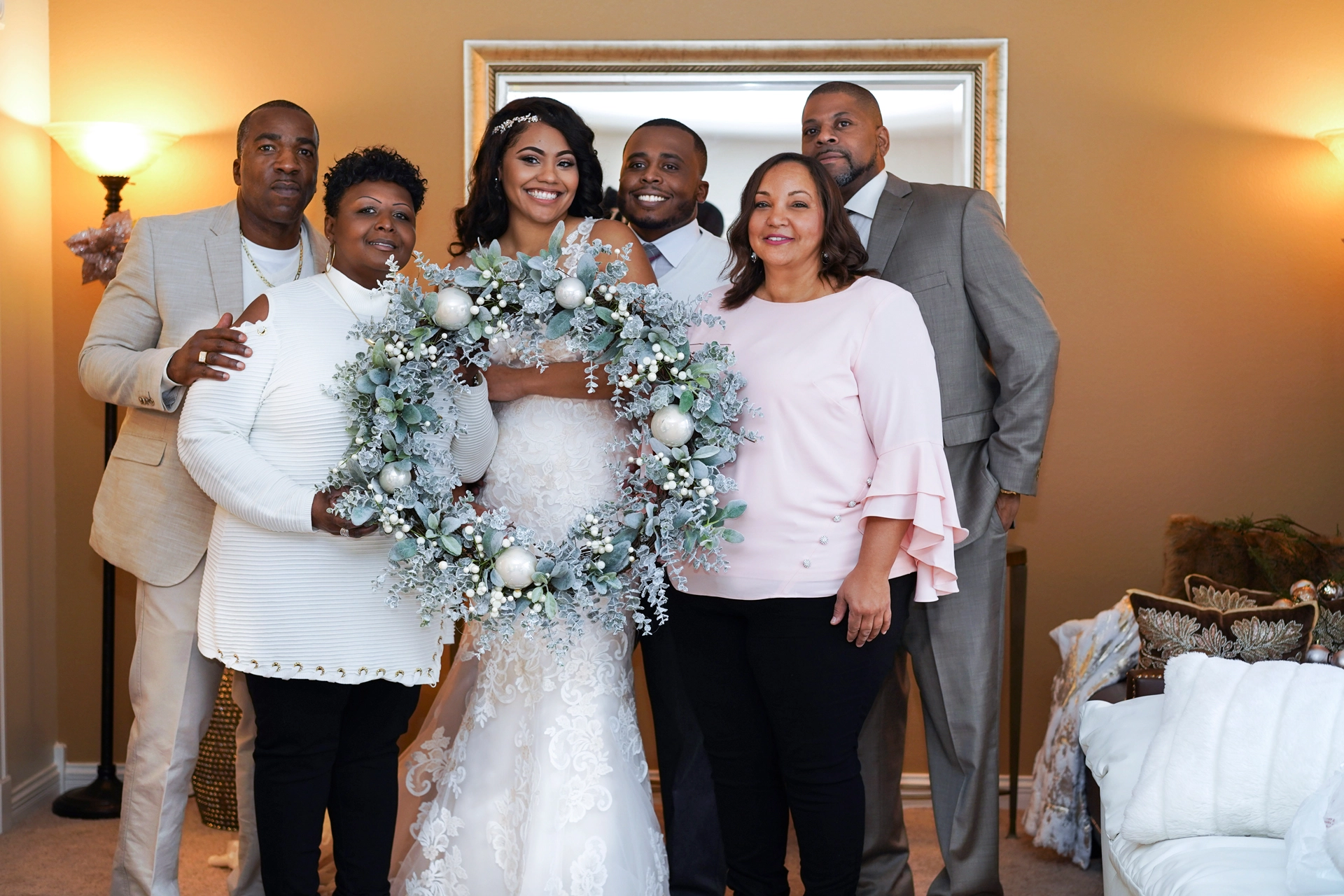
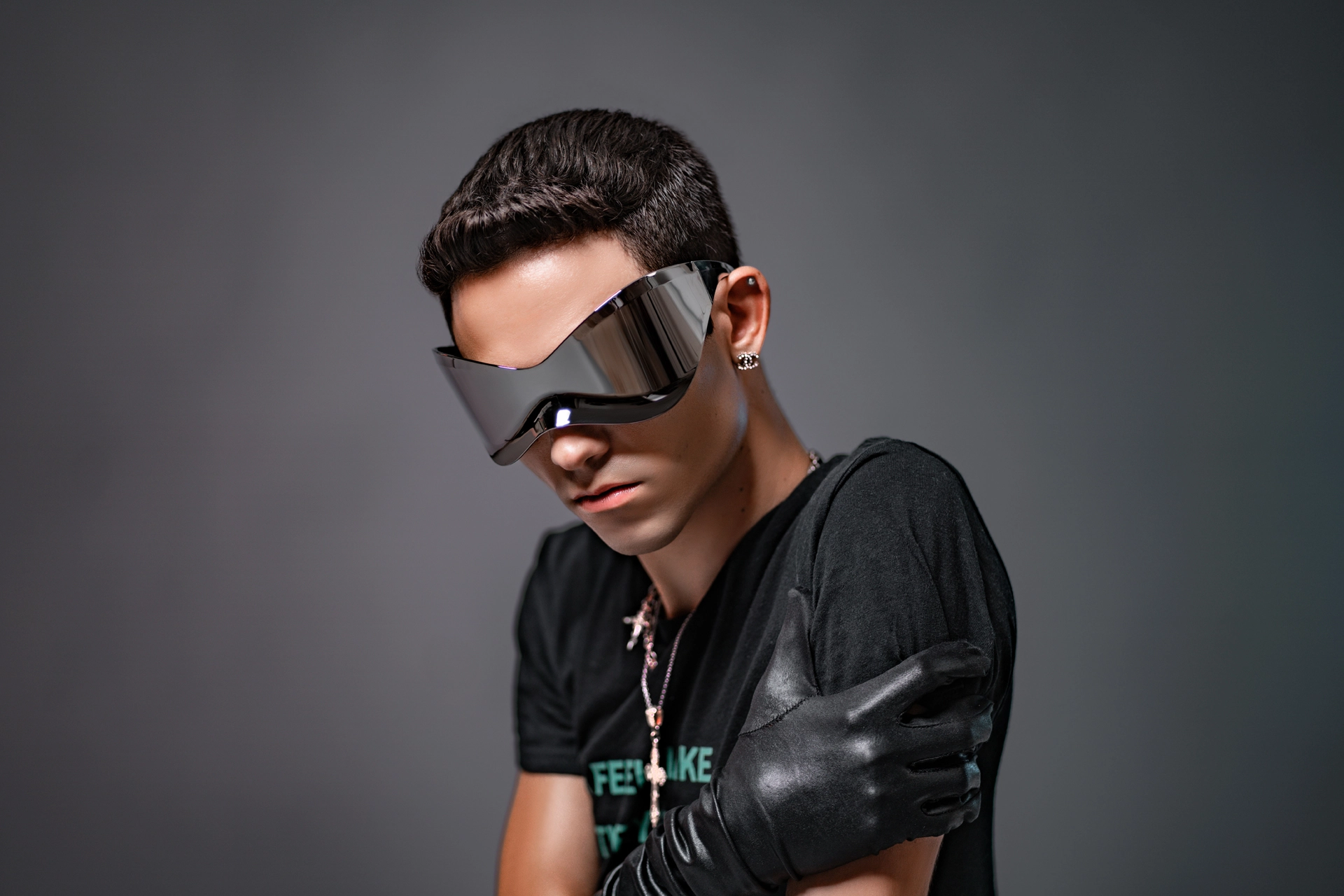
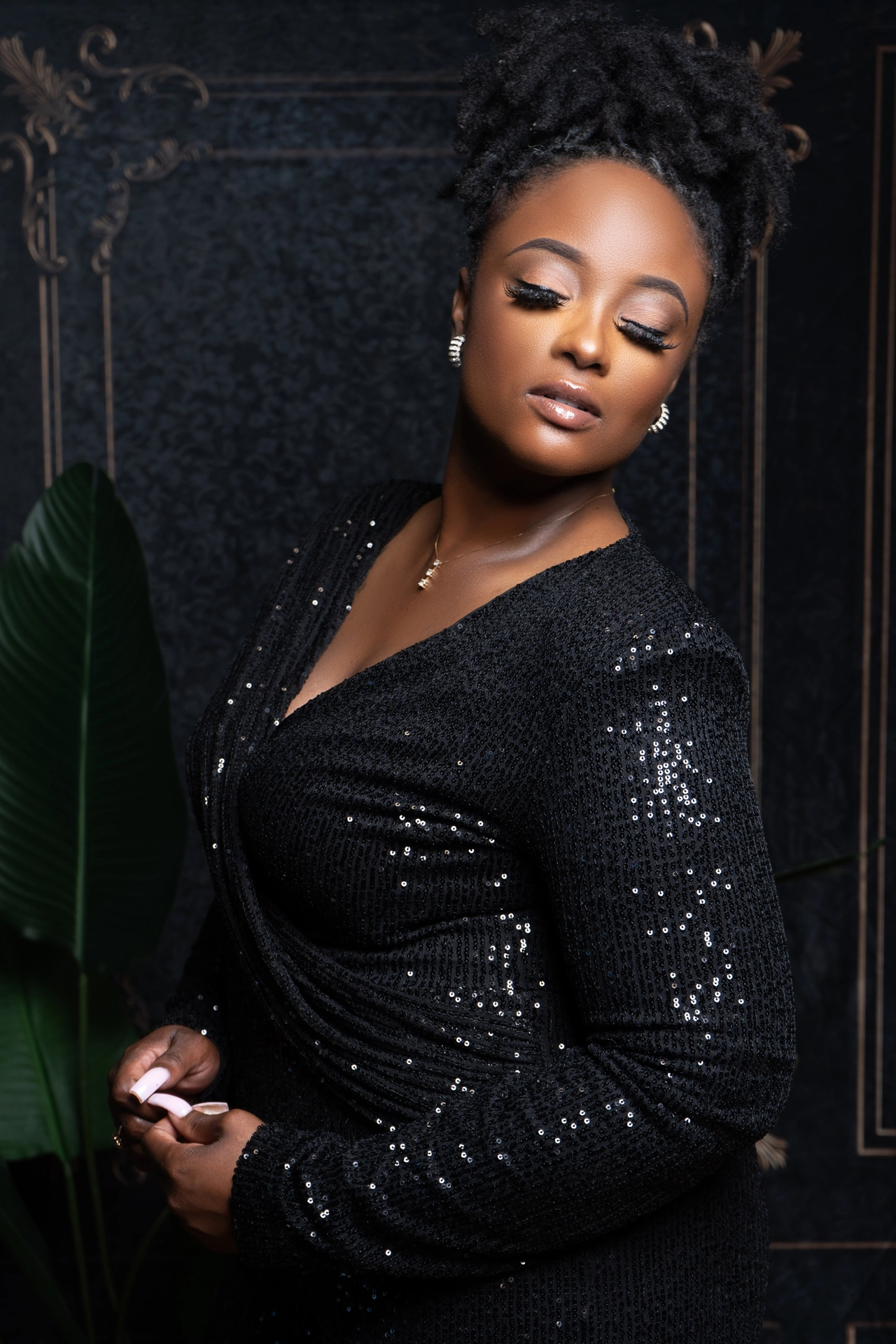
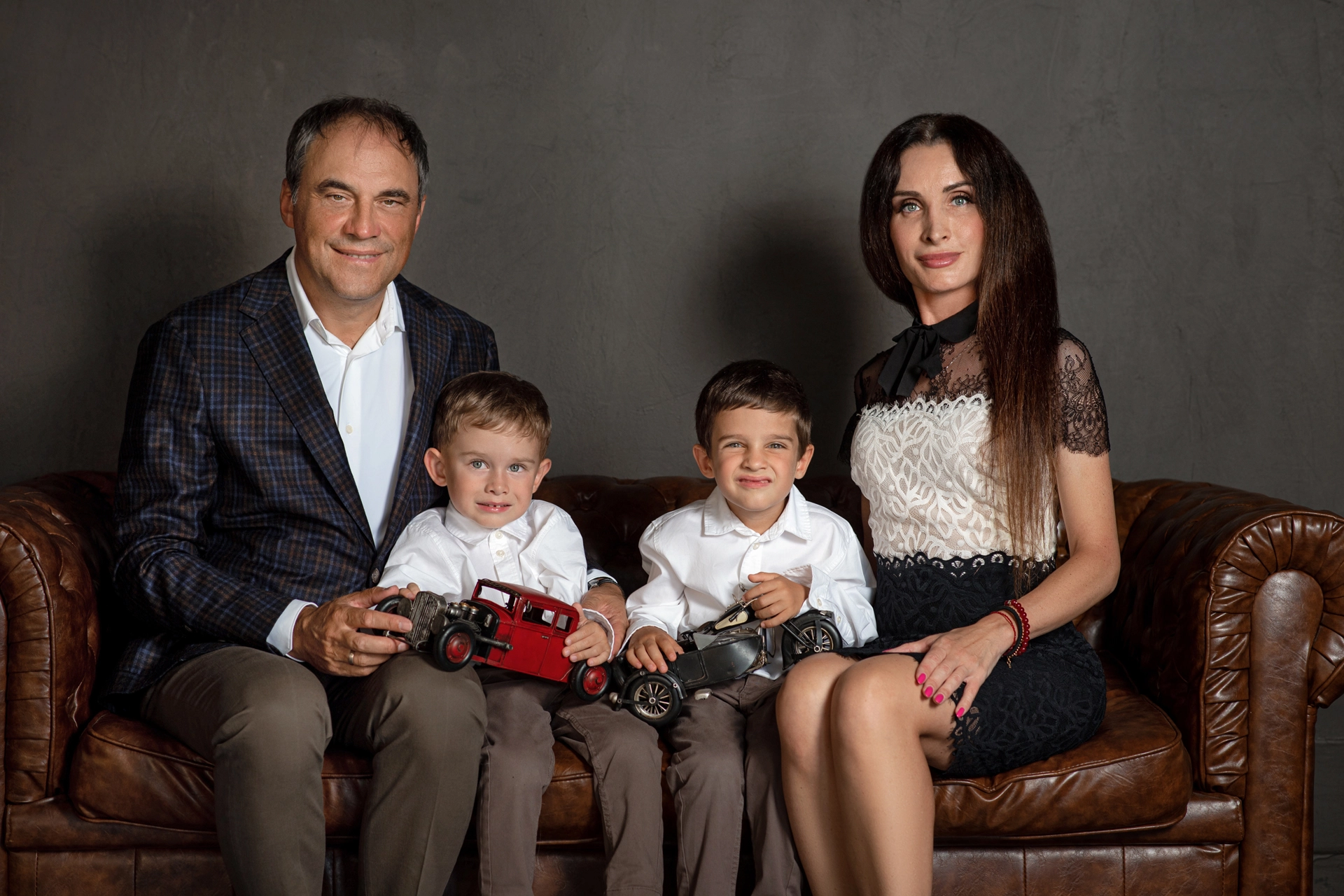
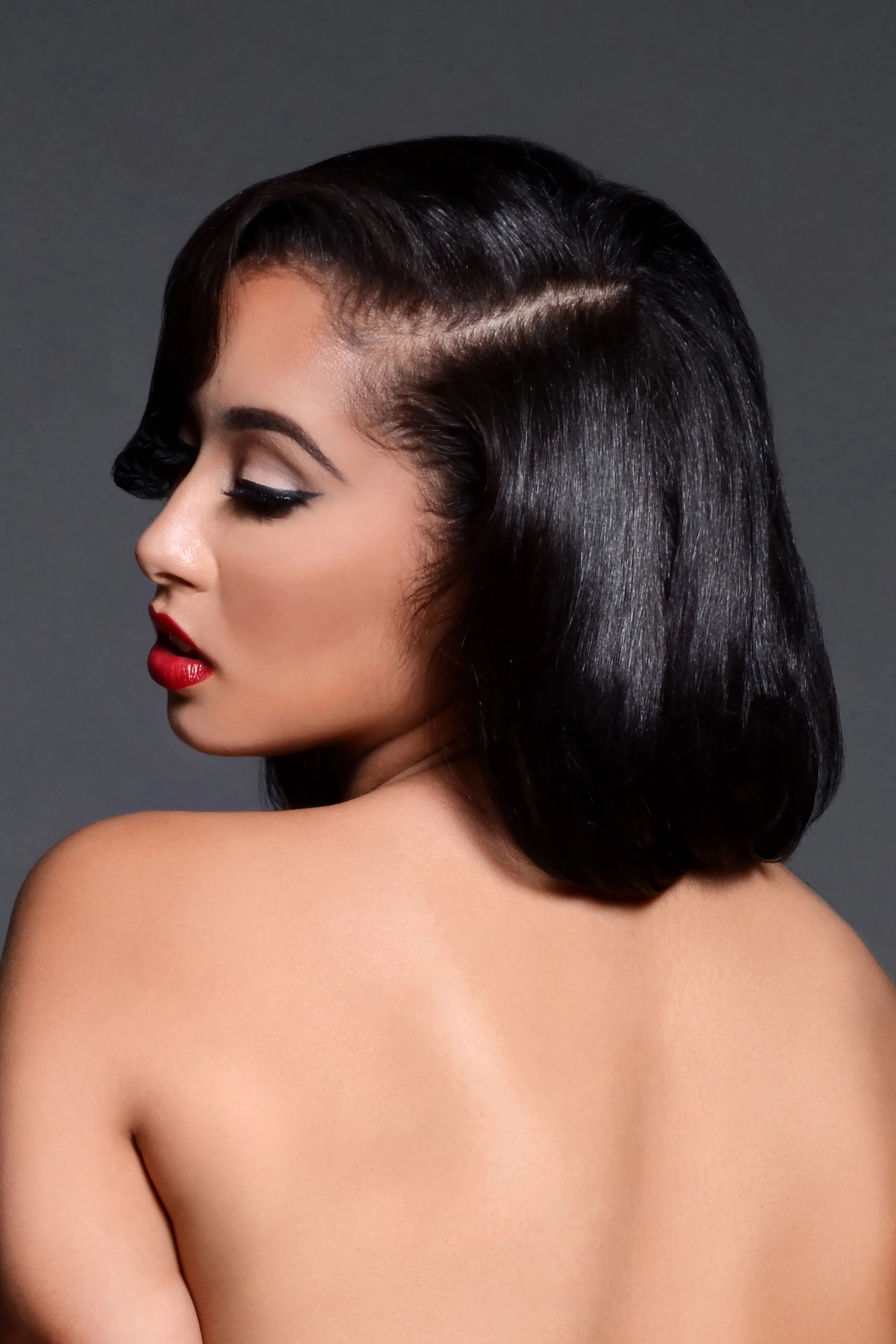
- What is beauty skin retouching?Beauty skin retouching is the high-end refinement of skin, hair, and tone in a portrait, worked to a standard that holds up in print and in close crops. It is the most precise discipline in retouching. The core technique is frequency separation, which splits the image into two layers: texture (pores, fine hairs, fabric weave) and tone (color and light transitions). Working on them separately lets us even out blotchy color without erasing real skin texture. From there we dodge and burn by hand, brushing light and shadow back into place area by area, then balance contrast and color across the whole frame. The result keeps skin looking like skin. Blur tools and one-click smoothing cannot do this, which is why they always look plastic.
- Will my photo look fake or overly edited?Not if it is done properly. The goal is a photo nobody can tell was retouched. Acting headshots are the clearest test. The image has to make someone look their best while staying credible to a casting director who will meet them in person a week later. So we work at low intensity across many small areas rather than making one heavy change: evening skin tone, tidying stray hairs, softening a distracting shadow, and leaving the features that make a face recognizable exactly as they are. If you want a stronger, more polished look for a campaign, we can do that too. Tell us in the brief and we will match the intensity you need.
- Do I need editorial retouching or standard retouching?Choose editorial retouching when the image has to tell a story. Choose standard high-end retouching when it needs to look its best as it already is. Standard retouching perfects what the camera captured: skin, hair, tone, exposure, and distractions in the frame. Editorial goes further and changes what is in the frame. It draws on compositing, so it can replace a background, swap a better expression in from another frame, add props such as glasses or a watch to signal authority, or rebuild the lighting to change the mood. Editorial takes longer and costs more, because it needs drawing skill, compositing skill, and a current sense of what fashion and advertising look like. Most portraits do not need it. Campaign, magazine, and brand imagery usually do.
- Can you improve photo quality and increase resolution?Yes, and it is worth knowing exactly how far that goes. Resolution is the amount of real detail your camera recorded: individual pores, single hair strands, the weave in a fabric. Detail that was never captured used to be unrecoverable. AI upscaling changed that. Trained on millions of photographs, these models predict what the missing detail most likely looked like and paint it in, so a small or soft file can be enlarged several times and still look sharp. The catch is in the word predict. At web sizes nobody sees the difference. Push further and it shows: skin turns waxy, hair strands merge, engraving on jewelry goes soft, and the photo starts looking like an illustration. So we upscale moderately, then rebuild the areas your eye checks first, meaning eyes, hairline, lips, jewelry, and product edges, by hand. Expect strong semi-professional quality: excellent for web, e-commerce, and social, good for moderate print. It will not match a full-frame camera file, and for a billboard we will tell you a reshoot is the better investment. Motion blur, missed focus, and blown-out highlights cannot be recovered at any setting. Send us the file and we will tell you honestly what is possible. Our free trial covers exactly this kind of question.