Editorial Retouching: The Art of Purposeful Image Perfection
Open any fashion magazine and you'll encounter images that feel simultaneously real and otherworldly. The model's skin breathes. The light falls imperfectly. And yet everything has been seen through a lens of careful curation — nothing accidental, nothing unintentional. This is editorial retouching at its best: invisible, purposeful, and deeply respectful of the story being told.
Editorial retouching is one of the most nuanced disciplines in professional photography post-production. Unlike beauty or advertising retouching, where the goal is often to present an idealized or commercially perfect image, editorial retouching walks a tightrope — refining and elevating a photograph while preserving its authenticity, emotion, and narrative integrity.
If you'd rather hand that judgment call to someone who makes it daily — that's what we do.
What Is Editorial Retouching?
At its core, editorial retouching refers to the post-production work applied to photographs intended for publication in editorial contexts — magazines, newspapers, editorial fashion spreads, documentary features, and online media. The retouching supports the visual story rather than selling a product or ideal.
The word "editorial" itself is key. Editorial content expresses a viewpoint, tells a story, or documents a moment. The retouching must serve that narrative without overwriting it. A wrinkle that reveals character stays. A distracting crease in a backdrop that pulls focus from the subject gets removed. Every decision is guided by the question: does this serve the image's purpose?
"The best retouching is the retouching nobody sees — not because it was heavy-handed, but because it was precisely right."
Editorial vs. Commercial Retouching: Understanding the Difference
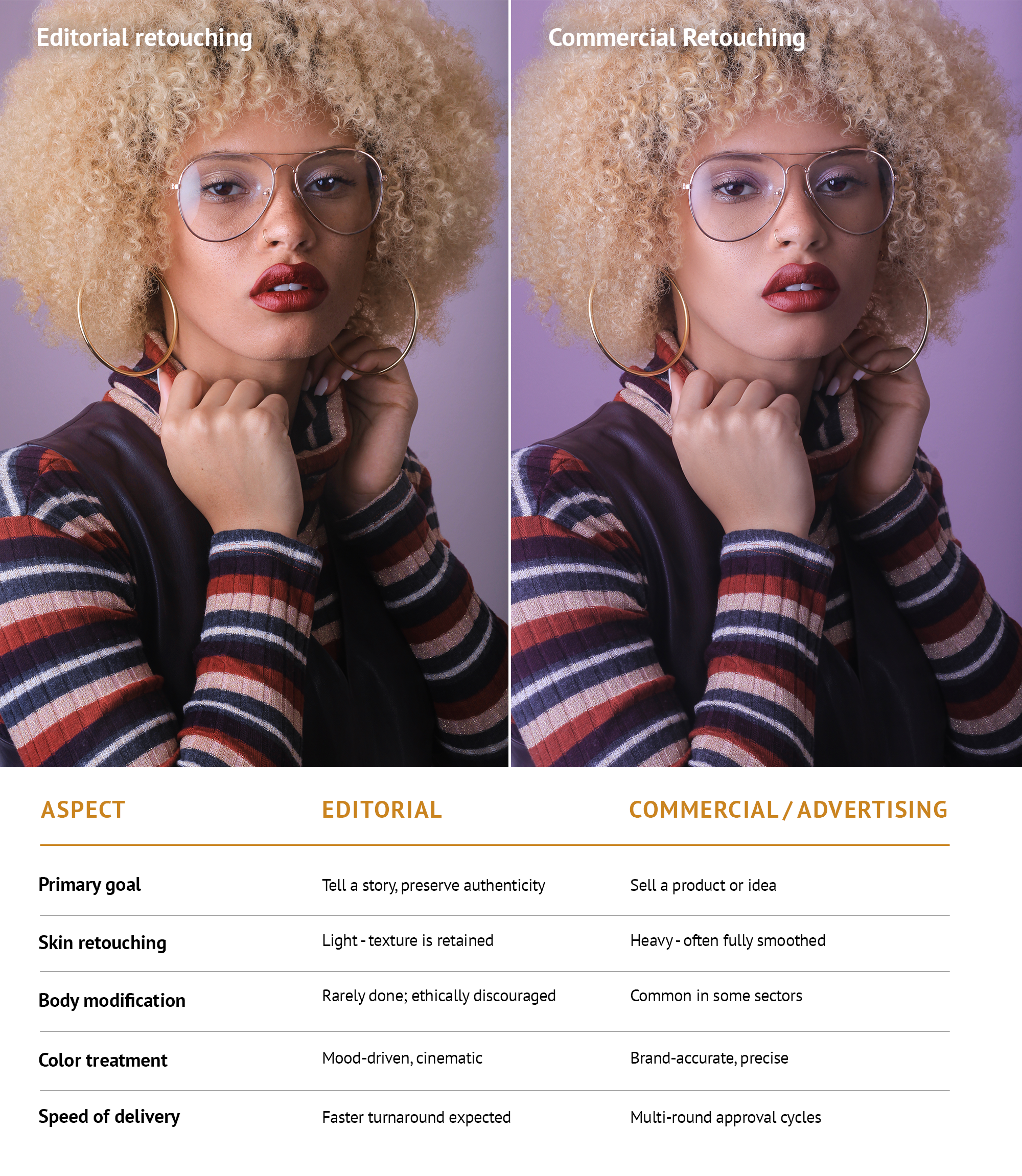
The distinction between editorial and commercial retouching is more philosophical than technical. The tools are largely the same — Photoshop, Capture One, Lightroom — but the intent and degree of intervention differ significantly. In commercial and advertising work, the polished result is typically achieved through high-end beauty retouching — fuller skin smoothing, sculpted light, and brand-accurate color — while editorial work deliberately holds back.
Core Techniques Used in Editorial Retouching
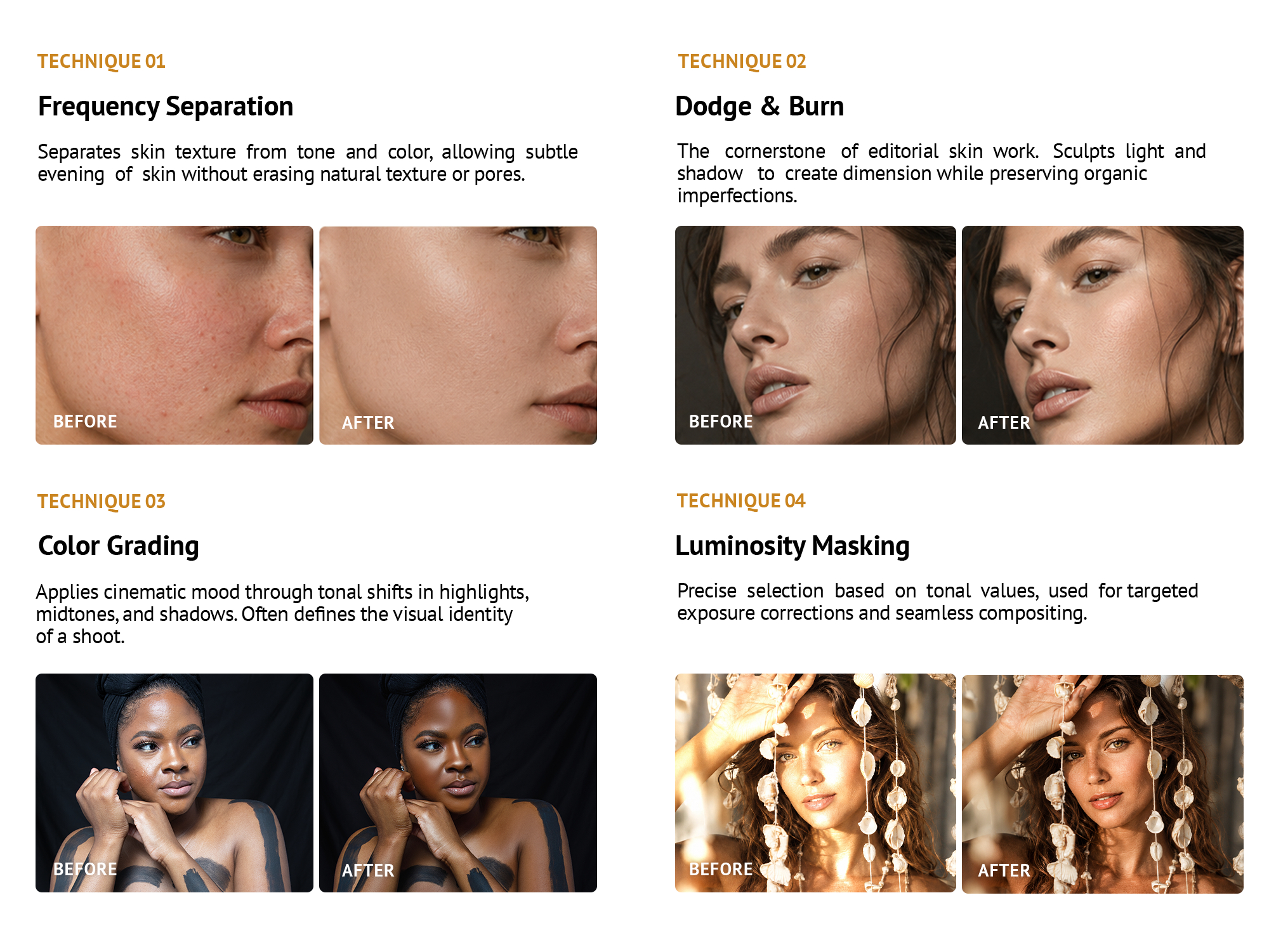
While editorial retouching emphasizes restraint, it still draws on a sophisticated set of technical skills. Here are the foundational techniques every editorial retoucher should master:
Additional Workflow Essentials
Beyond the headline techniques, professional editorial retouchers rely on non-destructive workflows — working in layers, using adjustment layers, and maintaining master PSD files that can be revised as editorial direction evolves. Calibrated color management across monitors and output profiles is equally critical when images are heading to print.
The Philosophy of Restraint
The hardest skill in editorial retouching is knowing when to stop. Over-retouching is one of the most common — and most damaging — mistakes a retoucher can make in editorial contexts. When skin looks like polished plastic, when every strand of hair sits perfectly, when the shadows all fall at impossible angles, the image loses its humanity.
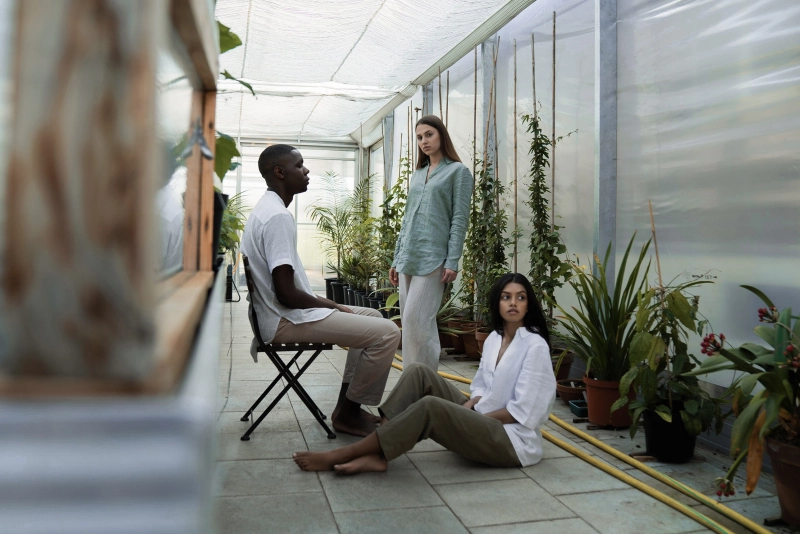
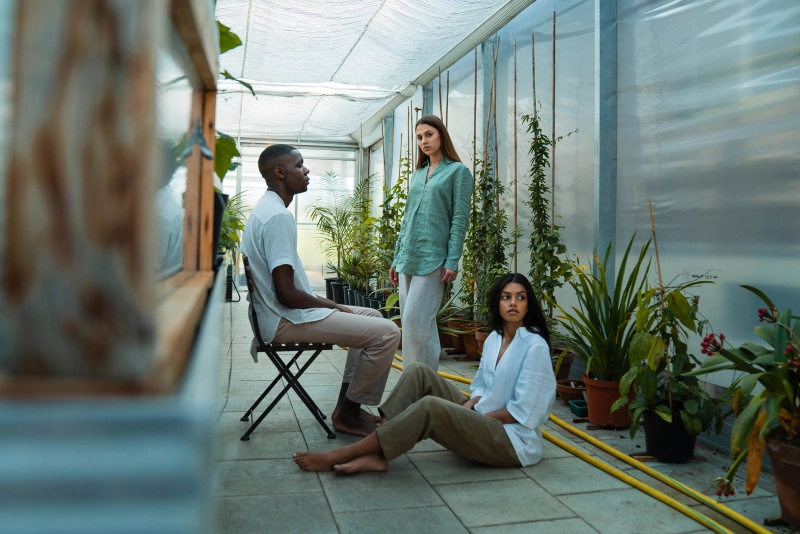
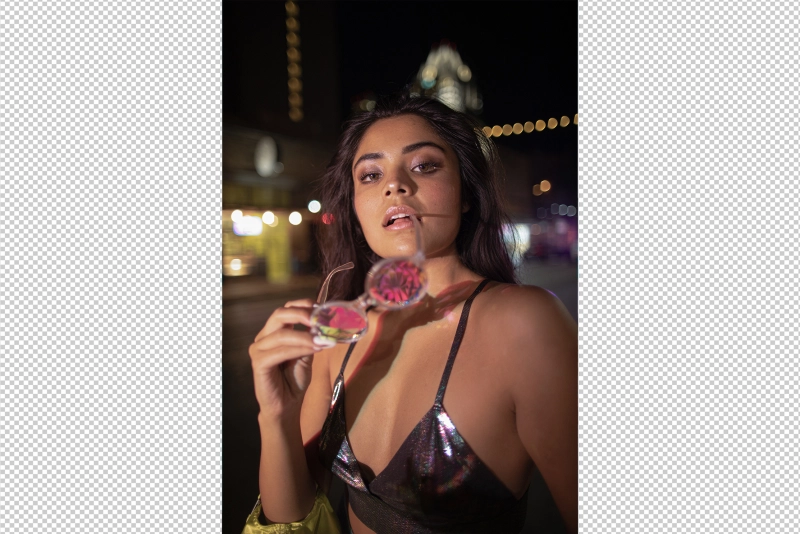
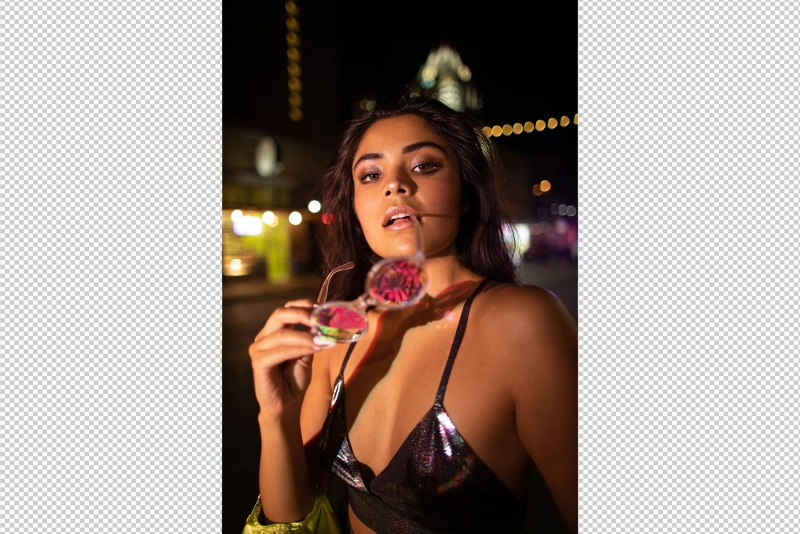
Experienced editorial retouchers often speak of working "toward" the image rather than "on" it — understanding the photographer's vision, the publication's aesthetic, and the subject's story before a single adjustment is made. The retouching should be invisible not because it is minimal, but because it is appropriate.
This philosophy has become increasingly important as industry conversations around body image, diversity, and authenticity have moved to the forefront. Major publications including Vogue, National Geographic, and numerous fashion titles have updated their retouching guidelines in recent years to limit or prohibit body-altering edits, reflecting a broader cultural shift toward responsible representation.
Building an Editorial Retouching Workflow
Consistency and speed are both essential in editorial environments, where deadlines are tight and volumes can be high. A professional editorial retouching workflow typically follows this structure:
Culling and selection comes first — narrowing down a shoot to the hero images before any retouching begins. Then comes global color correction in Lightroom or Capture One, establishing a consistent look across the selects. Individual images then receive local retouching in Photoshop, addressing skin, clothing, environment, and any composite work. Finally, a creative grade is applied to lock in the mood — whether that's desaturated and cinematic, warm and analog, or high-contrast editorial black and white.
Editorial Retouching and the Ethics of Representation
No discussion of editorial retouching is complete without addressing its ethical dimension. For decades, heavy retouching in editorial contexts contributed to unrealistic beauty standards, particularly in fashion and lifestyle publishing. The pendulum has shifted considerably — both culturally and in terms of regulatory pressure in some markets, where labels disclosing digital alteration are now required in advertising.
In editorial work specifically, the expectation of authenticity makes these ethics even sharper. A fashion spread exploring identity or a documentary portrait series that has been heavily retouched risks undermining its own message. Today's most respected editorial retouchers approach their work with both technical excellence and a strong sense of visual responsibility.
Who Needs Editorial Retouching?
The demand for skilled editorial retouchers spans a wide range of clients and contexts. Fashion photographers working with magazines and agencies rely on retouchers to deliver consistent, polished work under deadline pressure. Portrait photographers shooting editorial or celebrity features need portrait retouching that flatters without fabricating. Brand editorial — the kind of storytelling content that sits between advertising and journalism — is a growing area where retouching must balance commercial polish with editorial credibility. And increasingly, digital-first media companies need high volumes of retouched imagery delivered quickly for web and social platforms.
If you recognised your own workflow in that list, we can take the retouching off your plate.
Getting Started in Editorial Retouching
For photographers and post-production artists looking to develop editorial retouching skills, the starting point is learning to see. Study the retouching in publications you admire — not the dramatic transformations, but the subtle ones. Notice how skin still has texture. Notice how the light feels real even when it has been shaped. Develop your eye before you develop your technique.
From a technical standpoint, mastery of Photoshop's core tools — healing brush, clone stamp, layer masks, curves, and channel operations — provides the foundation. Supplement this with dedicated study of frequency separation and dodge-and-burn workflows, which are the backbone of virtually all professional skin retouching. Practice on a wide variety of skin tones and textures, and always work from reference — look at how light actually falls on skin before you try to recreate or refine it.
The goal is never a perfect face. The goal is a face that looks perfectly itself — seen at its best, in the right light, in the right moment.
Editorial retouching, done well, is a form of visual editing in the truest sense — selecting, shaping, and presenting a reality that is truer to its essential nature than the raw file could be on its own. It is technical craft in service of storytelling, and when it works, it is entirely invisible.
FAQ: Editorial Retouching
-
What is editorial retouching in photography?Editorial retouching is post-production for images published in magazines, editorial fashion spreads, documentary features, and online media. Its goal is to refine a photograph while preserving its authenticity and story — skin keeps its texture, light stays believable, and every adjustment serves the narrative rather than an idealized commercial look.
-
How is editorial retouching different from commercial retouching?The difference is intent and degree. Editorial retouching stays light and authentic: texture is retained, body modification is avoided, and color follows the mood of the story. Commercial retouching serves advertising, so skin is often fully smoothed and color is matched precisely to brand standards. The tools are the same; the philosophy is opposite.
-
Do magazines allow retouched photos?Yes, but within limits. Most major publications accept technical corrections, light skin retouching, and color grading, while many — including Vogue and National Geographic — restrict or prohibit body-altering edits. Always check the specific publication's retouching guidelines before submitting, as policies have tightened considerably in recent years.
-
How long does editorial retouching take?A single editorial image typically takes 30 minutes to several hours depending on complexity — light cleanup is fast, while composite-heavy editorial work takes longest. At our studio, standard editorial retouching orders are delivered within 24 hours, which matches the tight deadlines of most editorial calendars.
-
How much does editorial retouching cost?Editorial retouching is usually priced per image, with rates depending on the level of intervention — from basic cleanup to complex compositing. Volume orders for full spreads are typically quoted as a package. See our pricing page for current per-image rates at our studio.
-
Can editorial retouching keep skin looking natural?Start small — it's the same advice we give every brand that comes to us. Pick your best-selling product, build one solid mockup scene that fits your brand, and apply it consistently. Once that's working, expand your scene library, or hand the whole thing to us if your catalog is bigger than your available time.
You may also want to read: High-end beauty retouching — our service for commercial and advertising work